Role of CD4 in HIV
The Importance of CD4 Cells in Managing HIV and Preventing AIDS
CD4 cells, also known as CD4+ T cells or helper T cells, play a crucial role in the immune system by helping to coordinate the body's response to infections. They are a type of white blood cell that is essential for activating other immune cells, such as B cells (which produce antibodies) and cytotoxic T cells (which kill infected cells).
HIV (Human Immunodeficiency Virus), CD4 cells are particularly important because they are the primary targets of the virus. Here's how CD4 cells are involved in HIV:
HIV Infection and CD4 Cells:
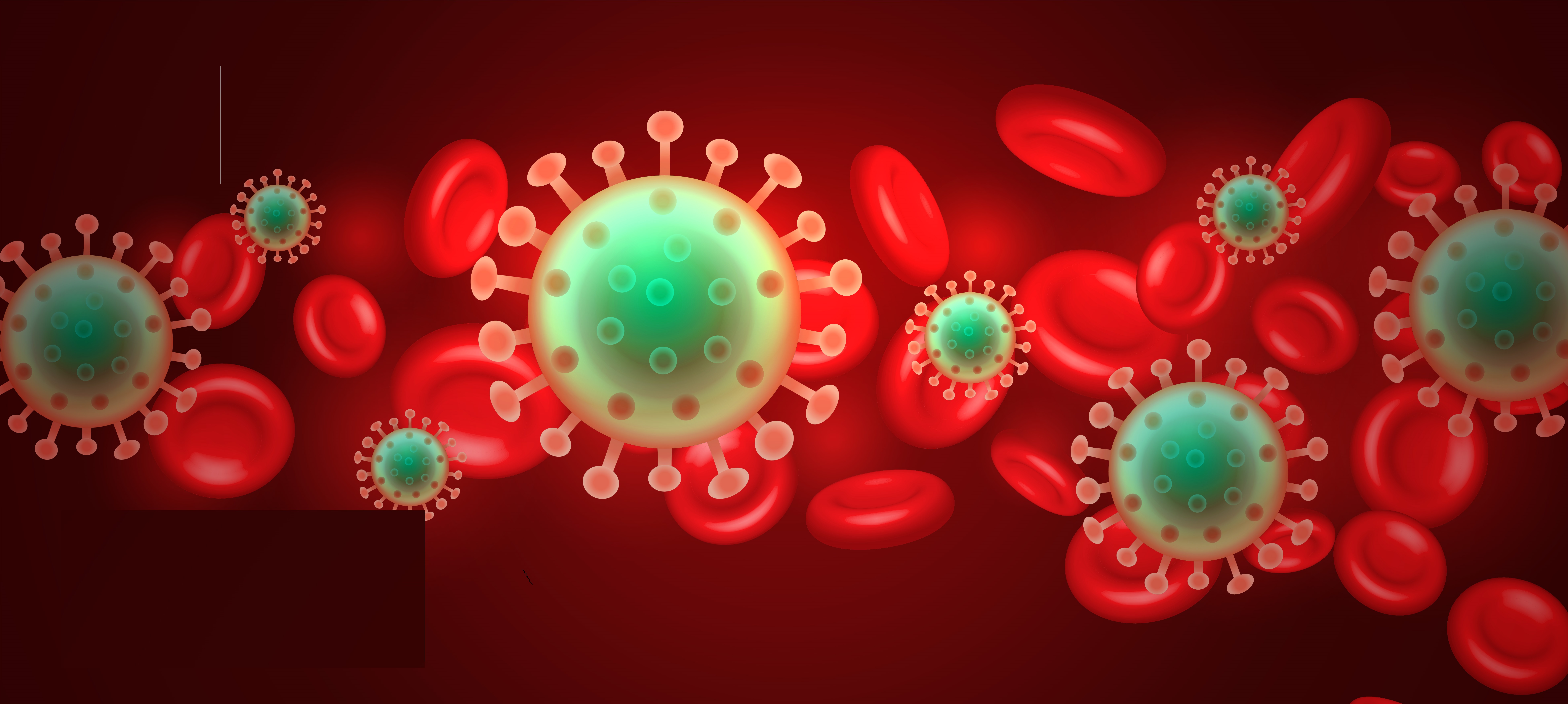
HIV primarily targets CD4 cells by binding to the CD4 receptor on the cell surface. Once the virus attaches, it enters the CD4 cell, integrates its genetic material into the host cell's DNA, and uses the cell's machinery to replicate. As HIV replicates within the CD4 cells, it eventually causes the death of these cells, either directly through viral replication or indirectly by triggering the immune system to attack the infected cells.
For those diagnosed with HIV, consulting an HIV doctor in Delhi is crucial. An HIV specialist can provide comprehensive care, including monitoring CD4 cell counts, managing viral load, and offering treatment options to maintain a healthy immune system and improve quality of life.
Progression of HIV and CD4 Count:
The number of CD4 cells in a person’s blood is a key indicator of immune function. In a healthy individual, the CD4 count typically ranges from 500 to 1,500 cells per cubic millimetre of blood. As HIV progresses, the CD4 count decreases, weakening the immune system. When the CD4 count falls below 200 cells/mm³, a person is diagnosed with AIDS (Acquired Immunodeficiency Syndrome), the most advanced stage of HIV infection. At this stage, the individual becomes highly susceptible to opportunistic infections and certain cancers.
Monitoring and Treatment:
Monitoring CD4 counts in people living with HIV is crucial for assessing the state of their immune system and guiding treatment decisions. Antiretroviral therapy (ART) is used to suppress HIV replication, which helps preserve or increase CD4 counts, thereby improving immune function and reducing the risk of opportunistic infections.
Immune System Restoration:
With effective ART, many individuals experience an increase in their CD4 count, which helps restore immune function and provides better protection against infections.
ART is a critical component of HIV treatment in Delhi, aimed at suppressing HIV replication. This therapy helps preserve or increase CD4 counts, thereby improving immune function and significantly reducing the risk of opportunistic infections.
The immune response depends heavily on CD4 cells, and HIV infection causes these cells to gradually decline, which can eventually lead to AIDS if left untreated. For the purpose of treating HIV and directing treatment plans, CD4 count monitoring is essential.