Unlocking the Secrets to Good Health with HIV
Healthy tips for people living with HIV
You should make every effort to look after yourself if you have HIV. This include healthy diet, exercise, having a strong social network, and stress management.
Here are some general healthy eating tips for people living with HIV:
Balanced Diet:Aim for a well-balanced diet that includes a variety of nutrient-dense foods from all food groups, including fruits, vegetables, whole grains, lean proteins, and healthy fats.
Sufficient Intake of Protein:Maintaining muscle mass and bolstering the immune system requires protein. Add lean protein sources like fish, chicken, beans, lentils, tofu, and reduced-fat dairy items to your diet.
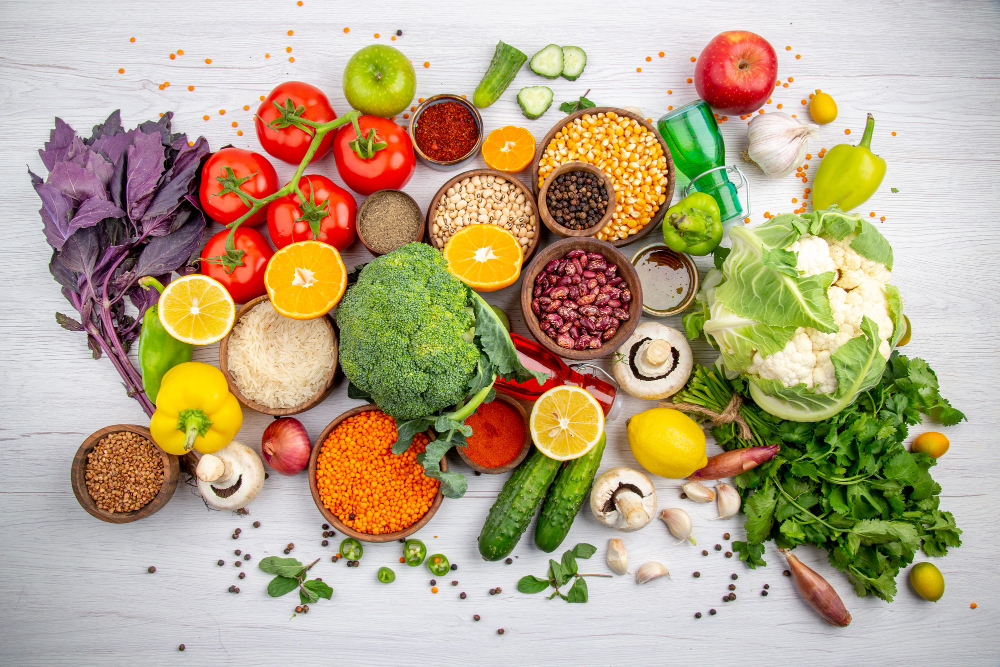
Vibrantly colored fruits and veggies:Consume a range of vibrant fruits and vegetables because they are a good source of antioxidants, vitamins, and minerals. These nutrients aid in the body's defense against infections and promote general health.
Good Fats:Include foods like avocados, almonds, seeds, and olive oil in your diet as sources of healthful fats. The immune system and food absorption depend on these lipids.
Complete Grains:For a healthy supply of fiber, vitamins, and minerals, opt for whole grains rather than refined grains. Oats, brown rice, quinoa, and whole wheat are a few examples.
Drinking plenty of water:Drink lots of water to be well hydrated. Staying properly hydrated promotes general health and aids in the body's optimal operation.
Limit Processed Foods and Added Sugars:Minimize the intake of processed and sugary foods. These can contribute to inflammation and may negatively impact overall health.
Probiotics:Consider incorporating foods rich in probiotics, such as yogurt with live cultures, kefir, and fermented foods like sauerkraut and kimchi. Probiotics may support gut health.
Vitamin and Mineral Supplements:If necessary, discuss with your healthcare provider the need for vitamin and mineral supplements, as deficiencies can affect immune function. Common supplements may include vitamin D, vitamin B12, and iron.
Food Safety:Practice food safety by washing fruits and vegetables thoroughly, cooking meats thoroughly, and avoiding raw or undercooked seafood, eggs, and meats.